AdSense

Showing posts with label heart. Show all posts

Tuesday, March 4, 2014

Healthiest techniques to cook food

Grilling
Grilling exposes food to direct heat and meats that are grilled have a lesser fat content as the fat drips off as the food cooks. Also, the vegetables that are grilled retain more vitamins and minerals. But avoid using too much butter, cream or 
sauce over the food while it is being grilled as this piles on the calories.

Steaming
This simple process retains the nutritional value (B vitamins, minerals, niacin, potassium, zinc etc) and taste. To steam the food, place it in a perforated colander or basket placed above hot water. Using a flavoured liquid in the water imparts same flavour to the food being steamed. You can flavour the water with lemon juice, herbs, peppercorns and garlic. Steamed dimsums are the most popular example of this technique.

Roasting
The process of 
roasting is a dry technique unlike steaming and baking and involves cooking food in an uncovered pan in the oven. Roasting also takes place at higher temperatures. Chicken, meat and potatoes work well with this process and the meat gets a lovely brown crust.

Baking
Who said baking is just for desserts? You can also bake fish, meats, vegetables as well as fruit. The food is 
cooked via the dry, hot air present in the oven. A definite advantage is that there is no addition of sauce needed, so food tastes as natural as possible as it is cooked in its own juices.

Stir-frying
This traditional Asian method is one of the tir-fry is one of the fastest and easiest ways to cook vegetables. It involves stir-frying them quickly (roughly 5-6 minutes) in a large wok or pan. You need just a small amount of oil for this method. Avoid adding the usual soy, oyster and hoisin sauces as seasonings.

Sunday, March 2, 2014

4 reasons why you shouldn’t eat bread

Whether its sandwiches or subs, a lot of us love eating bread and do so, on a daily basis. But it isn't exactly the most healthy foods that there are. Here's why you should stay away from bread!
It doesn't have many nutrients:
Unlike other food items, bread, especially white bread and items made from it lack nutrients. You're not getting any fiber, you're not getting the wholesomeness of grains — you're basically getting nothing important out of it. While bread made of wheat is a little better, if you're looking for nutrients, bread made out of whole grains are what you must opt for.

It contains too much salt:
Most bread varieties, especially the processed kind that you buy from the supermarket, contain lots of salt. So if you eat lesser bread, the amount of sodium in your body is significantly reduced. Of course, one slice of bread, every now and then won't do any damage. In fact, you can bake your own bread at home, without adding too much salt.

It makes you gain weight
If you eat too much of bread, because of all carbs, salt, refined sugar and preservatives that it contains, it can make you put on pounds! Eating it in moderation is fine; especially when you take the time to make sure it's as healthy as possible.

It's not a wholesome, filling meal
Since certain kinds of bread lack nutrients, when you eat them, you might not feel satiated, because it's not filling!

For questions specific to your health conditions, please write down in the comments section and we will answer it as soon as possible. Thanks


Thursday, February 27, 2014

Buttermilk: Beauty benefits

Next time when your mother hands over a glass of buttermilk to you and you sneak out to secretly pour it down the balcony, remember, buttermilk is one of the best natural products and provides various benefits to the skin. 

Interested already? But the best part is that you need not drink it to reap all these benefits. External use of buttermilk works wonders as well.
Besides being a natural pro-biotic, buttermilk is rich in lactic acid that is found in many expensive beauty products and is one of the best facial peels that doctors choose for softening, brightening and exfoliating skin. Because of it's highly acidic and astringent nature, it treats age spots, freckles and even tightens skin. In fact, legend has it that Cleopatra, the ancient Queen of the Nile whose beauty was said to be astounding, bathed regularly in buttermilk. It was she who popularized the buttermilk treatment, which is followed by women in various countries till date.
You can mix powdered buttermilk with honey and egg, and massage your body with this mixture. It will not only rid you off the stubborn sun tan, but will also give your skin a radiant glow. You can also apply pure buttermilk on your face, leave it on and wash off before going to bed.
You can also use a 
butttermilk hair mask. Blend one banana, two tablespoons of honey, one avocado and one cup of buttermilk. Apply the mixture as a mask and leave it on for 45 minutes before washing it off. This is the easiest way to get shiny and healthy mane.

Wednesday, February 26, 2014

BP reading in both arms key for healthy heart: Study

NEW YORK: In a significant news for blood pressure (BP) patients and doctors alike, researchers have suggested to take BP reading in both arms, rather than the present system of measuring BP using one arm, for better cardiovasvular health.

The difference in 
interarm systolic blood pressure - where both arms are used for BP reading - has now been linked to greater risk of future cardiovascular events.

Measuring interarm blood pressure involves taking two readings, one for each arm.

Increased interarm systolic blood pressure differences are defined as 10 mmHg or greater.

"In this large community-based study, an increased interarm systolic blood pressure difference was found to be present in nearly 10 percent of individuals and is associated with increased levels of traditional cardiovascular risk factors," explained lead investigator Ido Weinberg from Massachusetts General Hospital, Boston.

"An increased interarm systolic blood pressure difference is associated with an increased risk for incident cardiovascular events, independent of traditional cardiovascular risk factors," he cautioned.

The researchers examined 3,390 participants aged 40 years and older, free of cardiovascular disease at baseline.

The investigators found that participants with higher interarm systolic blood pressure differences were at a much higher risk for future cardiovascular events than those with less than a 10mm Hg difference between arms.

The researchers also found that participants with elevated interarm blood pressure difference were older, had a greater prevalence of diabetes mellitus, higher systolic blood pressure and a higher total cholesterol level.

The investigators suggest doctors should consider including blood pressure readings in both arms in order to get the most accurate readings possible and detect any differences in interarm blood pressure.

Even modest differences in clinically-measured systolic blood pressures in the upper extremities reflect an increase in cardiovascular risk, said Weinberg in the research published in The American Journal of Medicine.

Papaya: Beauty and Health Benefits

Whether it's the harsh summer sun or the humid monsoon weather, the fruit papaya can be effective for soothing, toning and moisturising your skin, which will leave your skin glowing naturally. So instead of opting for those expensive over-the-counter creams, why not use papaya? Its natural properties will remove skin blemishes, pimples, dark patches and do much more!

Beauty uses of papaya

Since the fruit is a good source of 
Vitamin A and Papain which is a kind of protein, it helps in removing dead skin cells, along with breaking down the inactive proteins.

If you apply a finely grounded paste of raw papaya on your face, it will help reduce pimples and blemishes!

Mashed papaya can be used for treating the sore and cracked heels.

The peel (skin) of the papaya can not only be used on the face, but it should also be used for whitening the skin on your legs.

Using papaya on your face regularly will reduce the signs of ageing.

If you have rough and dry skin, mash a papaya with honey and apply this mixture for hydration of the skin.

Papaya also helps in controlling 
dandruff. Frequent use of its paste on your hair will improve its texture.

Monday, February 24, 2014

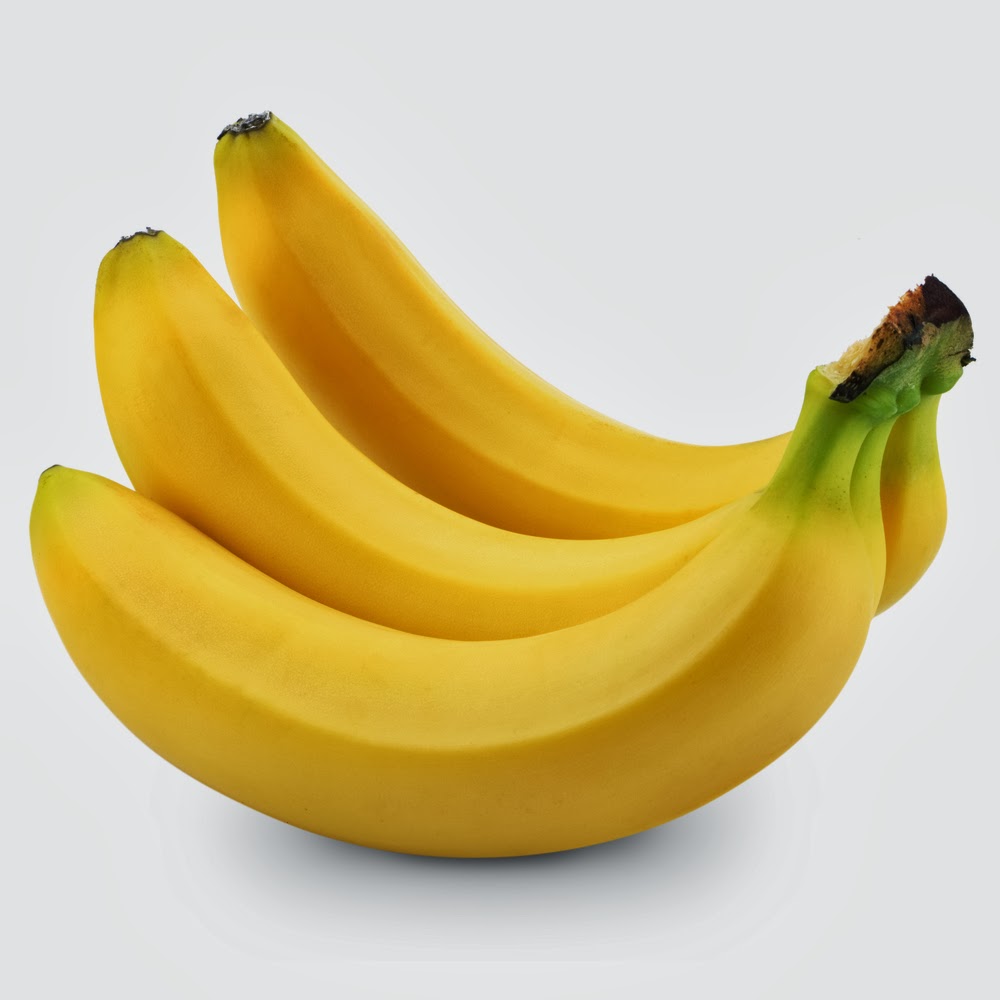
Banana: Health benefits

Rich in nutrients including vitamins A, B, C and E along with minerals like potassium, zinc, iron, etc, banana is a strong source of energy. Here are some other health benefits of this versatile fruit.

Controls blood pressure: According to research, the potassium in this fruit keeps the
blood pressure levels in check and it can also help decrease its levels.

Improves brain power: A good source of vitamin B, banana helps perk up nerve function and boosts learning abilities.

Decreases the risk of stroke: According to studies, regular consumption of a banana helps reduce the occurrence of 
stroke. Rich in antioxidants and dietary fibre, consumption of bananas is also said to reduce the risk of cancer.

Maintains bones: Probiotic bacteria present in bananas is known to absorb calcium in the body. Hence, it helps in building better bones.

Enhances digestion: The priobotics in banana help produce enzymes that enable absorption of nutrients, thus enhancing the digestive ability and preventing unfriendly bacteria from harming the body. Astringent in nature, raw bananas are effective in treatment for diarrhoea.

Relieves constipation: Pectin found in bananas helps to alleviate 
constipation and improves bowel function.


For questions specific to your health conditions, please write down in the comments section and we will answer it as soon as possible. Thanks

Apple peels help you lose weight

Ursolic acid - a waxy substance found in apple peel - increases muscle and brown fat in mice that are on a high-fat diet.

These mice burn more calories and have reduced 
obesity levels, pre-diabetes and fatty liver disease than the mice that do not receive the supplement. Researhers believe that this might be helpful in reducing obesity.

Until quite recently, researchers believed that only infants had brown fat, which then disappeared during childhood. However, improved imaging techniques have shown that adults do retain a very small amount of the substance mostly in the neck and between the shoulder blades. Some studies have linked increased levels of brown fat with lower levels of obesity and healthier levels of blood sugar and blood lipid, leading to the suggestion that brown fat may be helpful in preventing obesity and diabetes.

Obesity and its associated problems such as 
diabetes and fatty liver disease are increasingly common global health concerns. A new study by University of Iowa researchers shows that a natural substance found in apple peel can partially protect mice from obesity and some of its harmful effects.

The findings suggest that the substance known as ursolic acid reduces obesity and its associated health problems by increasing the amount of muscle and brown fat, two tissues recognised for their calorie-burning properties.

"From previous work, we knew that ursolic acid increases muscle mass and strength in healthy mice, which is important because it might suggest a potential therapy for muscle wasting," Adams says. "In this study, we tested ursolic acid in mice on a high-fat diet - a mouse model of obesity and metabolic syndrome. Once again, ursolic acid increased skeletal muscle. Interestingly, it also reduced obesity, pre-diabetes and fatty liver disease.

"Since muscle is very good at burning calories, the increased muscle in ursolic acid-treated mice may be sufficient to explain how ursolic acid reduces obesity. However, we were surprised to find that ursolic acid also increased brown fat, a fantastic calorie burner. This increase in brown fat may also help protect against obesity." 

Sunday, February 23, 2014

Foods that make you radiant and detoxify your System

Superfoods that detoxify your system...

The festive season is over and so should be the over-indulging in sweets, fried food and snacks. This is the perfect time to recharge your body and detoxify it. Here are a few superfoods that can help...

Eggs
With their rich protein, vitamin and mineral content, eggs contribute significantly to improving your concentration, maintaining healthy weight, developing the brain, strengthening eyesight, clotting the blood as well as preventing both birth defects and
breast cancer.

Quinoa
This resembles couscous when boiled and can be used as a substitute for rice. Like egg, Quinoa is a 100% reference protein which has all nine essential amino acids, including lysine, which no other cereal has.

Blueberries 
Blueberries has the highest antioxidant content of all fresh fruit and is rich in Vitamins A, B Complex, C and E as well as in anthocyanin, copper, selenium, zinc and iron say experts. It is one of the best sources of antioxidants in the world has been known to fight superbattles against disease, ageing, 
heart ailments and belly fat.


Pumpkin
Both the seeds and the flesh of this Superfood are bursting with benefits. The fruit itself is high in antioxidants, Vitamins A, C, K and E and is a rich source of magnesium, potassium and iron. Pumpkin seeds have been associated with treating osteoporosis, prostate problems, 
depression and preventing cancer.

Oranges 
What people do know is that oranges are a wonderful source of Vitamin C. What they might not know is that this simple fruit helps with 
asthma, kidney stones, high BP and arthritis as well as assists in the lowering of cholesterol and the prevention of diabetes.

Broccoli
Nutrient rich, this superfood helps those with blood pressure, diabetes, osteoporosis. Pooja says, "It is believed to contribute to the control or prevention of cataracts, stomach and colon cancer, arthritis, heart disease, Alzheimer's, tumours, as well as ageing.

Walnuts
This nut, which looks like a brain, is actually good for your brain. Walnuts have also been known to do wonders for your heart, mood, bone health and 
weight loss as well as help with insomnia, gallstones, diabetes and cancer. Nuts are calorie dense foods packed with protein, healthy fats and some essential vitamins and minerals and one must include a handful of these daily.

Yogurt
There's such a thing as "good" bacteria and your dahi has an abundance of it. Additionally, yogurt with active cultures helps with gastrointestinal conditions to include constipation, diarrhoea, lactose intolerance, 
colon cancer and bowel disease as well as in the prevention of osteoporosis and regulating blood pressure.

Green tea
Having two cups of green tea can do wonders for your skin and also increase the efficiency of our immune system. It also helps in lowering your risk of cancer, easing arthritis pain, regulating your cholesterol, preventing heart disease, boosting the immune system, losing weight, having healthier teeth, fending off 
allergies and infections and reducing or preventing acne.

Spinach
Spinach is a nutrient-dense food, loaded with not just iron but a whole host of vitamins, minerals and phytonutrients. This vegetable protects your heart, promote gastrointestinal health and keep your brain young and active.

Oats 
If you want to have a better chance at fighting 
high cholesterol and heart disease, regulating your blood sugar, blood pressure and bowel movements, reducing the risk of getting cancer or controlling your weight, eat more oats.

Flaxseed 
Flaxseed is a wonderful source of fibre, omega 3 and is a natural laxative. It also helps with lowering bad cholesterol and protect against diabetes as it decreases insulin resistance.

Wheatgrass 
The Wheat-grass is always greener! This food has been known to cleanse the liver, boost production of haemoglobin, increase immunity, heal wounds, purify the blood and improve digestion.

Salmon 
Salmon's high Omega-3 fatty acid content makes this an unbeatable Superfood. Salmon has been known to fight heart disease, decrease cancer risk, protect joints, improve mood and cognition as well as treat eye problems like dry eyes.

Tomatoes 
This superfood derives its luscious red colour from lycopene, an antioxidant which does not occur naturally in the body and has to be derived from an external food source. Tomatoes are associated with prevention of cancer and heart disease as well as the lowering of cholesterol.

Bananas 
A rich source of potassium and fibre, go bananas if you want to work on lowering your blood pressure, maintaining the health of your 
bones, having a healthy digestive tract and preventing the development of cancer.

Strawberries 
The delicious strawberry doesn't just look and taste good. This is an antioxidant superfood and has been associated with cardiovascular benefits, blood sugar regulation (and is therefore good for diabetics) as well as with fighting cancer.

Balsamic vinegar: Health Benefits

Though originating from Italy, balsamic vinegar is popular throughout the world and is regularly used in salad dressings. Here are some of its health benefits.

For weight loss: According to studies, balsamic vinegar is a source of calcium, iron, manganese and potassium, which improve the body's functioning and weight loss abilities. Low in calories, it also helps to curb the body's appetite and prevents overeating, increasing the amount of time it takes for the stomach to empty.

Helps blood circulation: The antioxidants presents in balsamic vinegar can help repair damage caused by free radicals, produced by the oxygen used in our body. Balsamic vinegar contains polyphenols, antioxidants that can protect the body from heart disease and cancer.

Improves immunity: The grapes that are used to make balsamic vinegar contain antioxidants that fight against cell damage, improve the body's immune system and make blood platelets more flexible.

Regulates blood sugar: Balsamic vinegar can improve insulin sensitivity for diabetics, allowing for an easier regulation of blood
sugar and reducing unpleasant side effects from diabetes.

Helps digestion: This vinegar is great for body's 
digestion. It boosts the activity of pepsin, an enzyme that breaks protein down into smaller amino acids that can be more easily absorbed by the body. Pepsin also helps to improve the body's metabolism.

Friday, February 21, 2014

Blood Pressure medications not beneficial after stroke: Study

NEW YORK: Lowering blood pressure during the first 48 hours after a stroke does not reduce the likelihood of death or major disability, claims research.

Blood pressure often is elevated following a stroke.

"In most cases, treatment is unnecessary because the blood pressure declines naturally over time and lowering blood pressure may be contra-indicated," warned stroke specialist Jose Biller at Loyola University Medical Centre.

It is important not to overtreat and cause low blood pressure, because the most important objective is to maintain adequate blood flow to the brain, Biller advised.

Lowering blood pressure has been shown to reduce the risk of stroke. The study investigated whether there also would be a benefit to lowering blood pressure immediately after a stroke.

The study included more than 4,000 stroke patients in 26 hospitals across China who were randomly assigned to receive blood pressure medications or to discontinue blood pressure medications.

At 14 days or hospital discharge, there were no statistically significant differences between the groups in mortality or disability, said the study published in the Journal of the American Medical Association.

It involved patients who had suffered ischemic strokes, which account for about 85 percent of all strokes.

Such strokes are caused by blood clots that block blood flow to a part of the brain.

Wonders of honey

Honey has been used for its numerous benefits since four thousand years. It's believed to have been used in pre-ancient Egyptian times, to treat wounds. Here are some other benefits of this wonder food...

-Experts say that 
honey is helpful in preventing acid reflux.

-It has anti-microbial and anti-fungal properties that act as a great moisturiser, making the skin elastic and supple. It keeps wrinkles, blemishes and dryness at bay.

-Apply it on your face overnight or use a moisturiser that has honey extracts.

-Give your immune system a boost by regularly having honey mixed in warm water. -Honey is packed with vitamins, minerals and enzymes that are known to protect your body from bacteria.

-Want to lose weight? Drinking warm water with a dash of lemon and honey when you wake up, is an ideal way to detox. Doing this daily will help cleanse your liver, and remove toxins and fat from the body. You can also have this every night before going to bed.

-Honey also contains antiseptic properties that help treat indigestion by relieving the acidity in the stomach. It also neutralises gas.

-Honey has natural sugars that provide you with a healthy source of calories and energy. So, the next time you're feeling tired or low on energy, have a tablespoon of organic honey instead of caffeine.

-Certain studies also say that honey, when mixed with cinnamon, revitalises the arteries and veins of the heart and reduces cholesterol in the blood by up to 10%.

Thursday, February 20, 2014

Surprising ways to a healthy heart

You've been told to cut down on junk fare and exercise regularly. But there are surprising ways to ensure your heart and blood vessels function fine

So you're aware of the standard ways of lowering your risk of heart disease and stroke: quit smoking, shed those extra kilos, exercise, lower your blood pressure and cholesterol. But recent studies suggest some possible preventive measures that are not quite common. Here are five surprising ways to keep your heart and blood vessels healthy.

Have dark chocolate 
A number of studies suggest that eating dark chocolate decreases your risk of cardiovascular disease and stroke.

Another study found that those who eat small amounts of dark chocolate, had lower levels of a protein in their blood that is associated with inflammation. Other research suggests chocolate consumption may lower blood pressure, help prevent formation of artery plaque and improve blood flow. The benefits from chocolate may come from flavonoids, compounds in chocolate thought to help protect cells against damage. They are present in higher amounts in dark chocolate. Another study found that dark chocolate helps to inhibit an enzyme known as ACE, which is involved in regulating blood flow.

Stay away from traffic 
According to a recent study that found an association between traffic noise and risk of stroke, the sound of horns, and noisy trucks may take a toll on your blood vessels. Besides, the exposure to loud noise may increase the body's stress hormone levels, and increase blood pressure, which might contribute to the uptick in 
stroke risk.

Get enough sleep
Getting too little or too much sleep may increase the risk of heart disease and stroke. The results showed that those who slept six or fewer hours per night had a 48 per cent higher risk of developing or dying from heart disease, and a 15 per cent higher risk of developing or dying from stroke, than those who slept seven or eight hours per night. Too little shut eye may increase blood pressure and cholesterol, and put people at risk for obesity and Type 2 diabetes. But the study showed getting too much sleep was bad for the heart as well. Those who slept nine or more hours had a 41 per cent higher risk of developing and dying of heart disease than those who slept seven or eight hours.

Eat blueberries 
Anthocyanins, found in foods such as blueberries, orange juice and eggplant are antioxidants. In a study, those who ate at least one serving of blueberries per week were 10 per cent less likely than those who ate no blueberries to develop high blood pressure. The researchers analysed the diets of 134,000 women and 47,000 men over a 14-year period. They studied to see how much anthocyanin, the subjects consumed.

The study participants who had the highest amount of anthocyanins in their diets had an eight per cent lower risk of high blood pressure than those who ate the least amount of anthocyanins. This does not mean you opt for blueberry cakes.

Beware of the fizz
A recent study found, consuming 
diet sodas may increase your risk of stroke. The study, found that those who drank diet soda every day had a 48 per cent higher risk of stroke and heart attack than those who did not drink any soda at all. The results held true even after the researchers accounted for factors that might influence heart disease and stroke risks, such as whether or not the patient had metabolic syndrome or a history of heart disease. However, the researchers cautioned, the study only showed an association, and not a cause-effect link.

Marijuana may stop HIV spread

A new study has shown that chronic intake of THC, the primary psychoactive ingredient in marijuana, can protect critical immune tissue in the gut from the damaging effects of HIV infection. 

Patricia Molina and coauthors from Louisiana State University Health Sciences Center, New Orleans, report that chronic THC administration was associated with greater survival of T cell populations and reduced overall cell death in the gut in monkeys, which is known to be a key target for simian immunodeficiency virus (HIV) replication and infection-related inflammation.

"To better treat 
HIV infection, we need a better understanding of how it causes the disease we call AIDS. We also need alternative approaches to treatment, This study is important because it begins to explain how THC can influence disease progression in SIV-infected macaques.

It also reveals a new way to slow disease progression," Thomas Hope, 
Professor of Cell and Molecular Biology at the Feinberg School of Medicine, Northwestern University, Chicago, said. The study was published in the journal AIDS Research and Human Retroviruses.